
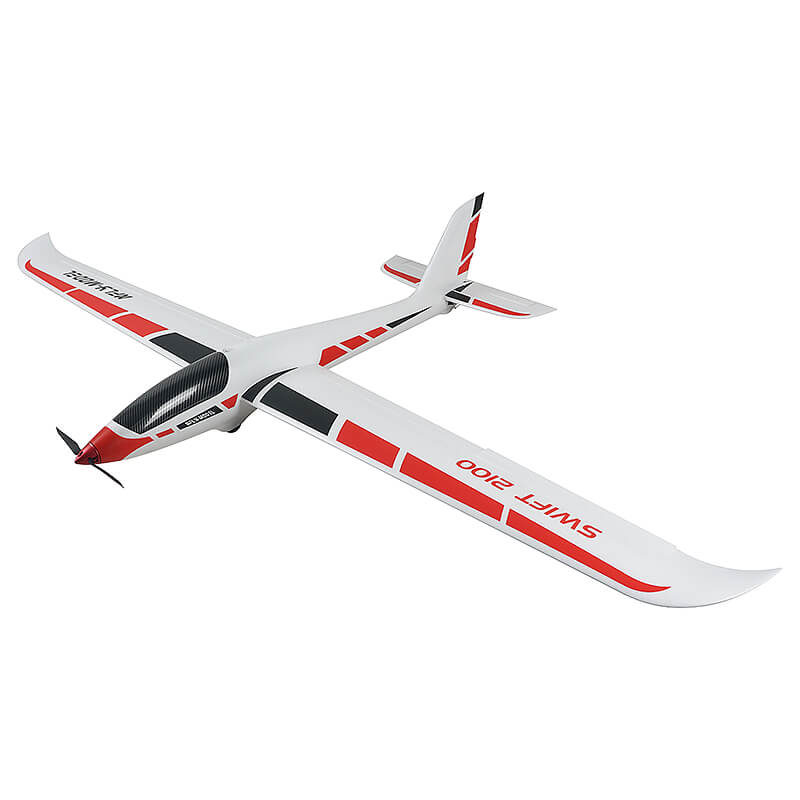
RC Gliding is not just a hobby; it's a meditation in motion and a high-tech dance with the atmosphere. Unlike powered flight, gliding is an exercise in energy conservation and environmental awareness. Your aircraft has no engine; its "fuel" is the sun, the wind, and your skill. The goal is simple yet profoundly challenging: to lose altitude slower than the air around you is rising. The result is the purest, most elegant form of flight—silent, graceful, and utterly captivating.
The Deep Appeal: Why Gliders Captivate
- The Zen of the Hunt: The core activity is "thermal hunting." You learn to read the landscape: a dark plowed field warming in the sun, a factory roof, a lone cloud with a dark, flat base. Finding and circling in a column of rising warm air (a thermal) to gain hundreds of feet of altitude is an exhilarating intellectual and sensory triumph.
- Mastery of Aerodynamics: Gliders are the F1 cars of the model aviation world. Every design element is optimized for efficiency: long, slender wings (high aspect ratio) for reduced induced drag, meticulously shaped airfoils, and lightweight construction. You learn how to trim an aircraft for minimum sink rate or maximum glide ratio.
- A Spectrum of Experiences: From the meditative calm of a gentle slope soar at a coastal cliff to the intense, strategic competition of a thermal duration contest, gliding offers a mode for every mood.
- The Thrill of Endurance: There's a unique pride in keeping an aircraft aloft for 30 minutes, an hour, or more, using nothing but your wits and nature's energy.
The Science & Soul of Glider Design
1. Wing Configurations:
- Dihedral (V-shaped wings): Provides inherent roll stability, perfect for beginners and relaxed flying.
- Polyhedral (multiple V angles): A balance of stability and performance, common in thermal sailplanes.
- Straight Wings with Winglets: Maximum aerodynamic efficiency, found on high-performance competition models. Requires active piloting for stability.
2. Launch Methods:
- Hand Launch (Discus Launch Gliders - DLGs): The ultimate in simplicity and skill. The pilot spins and launches the 1-1.5m glider like a discus to heights of 100+ feet, then immediately hunts for lift. Incredibly dynamic and portable.
- Winch or Bungee Launch: Uses a ground-based winch or a long elastic cord to catapult the glider to altitude. The classic method for larger thermal gliders, simulating a full-scale glider tow.
- Electric Motor (EGlider/Elapor): Features a small, fold-prop motor and battery for self-launch. After reaching altitude, the motor stops and the propeller folds back to minimize drag. The most accessible and popular entry point.
- Aerotow: One powered plane tows the glider aloft, just like the real thing. A spectacular and social form of scale operation.
3. Advanced Control & Telemetry:
Modern RC gliders are technological marvels. Systems can include:
- Flaps and Crow Braking: Flaps increase lift at low speed; "crow" mode (flaps down, ailerons up) creates immense drag for steep, controlled descent and pinpoint landings.
- Telemetry: Real-time data sent to your transmitter: altitude (via a variometer), airspeed, battery voltage, and signal strength. The variometer's audio tone (rising pitch for lift, falling tone for sink) is the pilot's primary sensory guide in thermal hunting.
Getting Started: Your Path to the Sky
Phase 1: The First Taste (RTF - Ready to Fly)
- Recommendation: A 2-meter electric glider (EGlider) made of durable EPO foam.
- Why: It's forgiving, includes everything (transmitter, battery, charger), and the motor provides a confidence-boosting "reset button" to regain altitude if lift is lost.
- Skills Learned: Basic orientation, trimming for straight flight, gentle turns, energy management, and landing patterns.
Phase 2: Building & Thermal Soaring
- Recommendation: A 1.5m to 2m balsa or composite wood kit or an Advanced Foam Glider.
- Why: Building teaches you about structure, alignment, and rigging. You'll add a more precise radio system and likely a variometer.
- Skills Learned: Thermal detection, efficient circling, reading the sky and ground, using a variometer, and basic competition tasks (e.g., duration flights).
Phase 3: Specialization
- Competition Thermal Soaring (F3J, F5J): Lightweight, ultra-efficient 3.5m+ gliders launched by bungee or electric motor for precision duration tasks.
- Slope Soaring: Rugged gliders designed for dynamic flying in strong winds on hillsides. Includes aerobatic models, scale warbirds, and fast "hot liners."
- Discus Launch Gliders (DLG): The pinnacle of pure, unassisted gliding skill. A hyper-competitive, athletic, and deeply rewarding subclass.
Essential Gear Beyond the Glider
- Transmitter: A computer radio with at least 6 channels (for motor, ailerons, elevator, rudder, flaps, vario). Model memory is crucial for multiple gliders.
- LiPo Batteries & Charger: High-quality packs for the aircraft (often 2S or 3S) and a safe, balanced charger.
- Field Gear: Launch equipment (bungee, winch), a sun shade, a folding chair, and a flight box.
- Tools: Precision screwdrivers, hex keys, CA glue, knife, and covering irons for repair and building.
The Culture: Community & Competition
RC Gliding has a strong, friendly, and knowledge-sharing community. Local clubs often have designated "glider guzzles" (thermal-friendly flying spots). Competitions range from informal club contests to national-level FAI-sanctioned events (like F3J, F5J, F3K for DLG). The ethos is one of mutual support— competitors will often call out lift they've found to others.
Final Launch Brief
RC Gliding is a lifelong learning journey. It connects you to physics, meteorology, craftsmanship, and a supportive community. It rewards patience, observation, and finesse over brute force. The moment you center your first strong thermal and watch your speck-in-the-sky glider climb effortlessly as you listen to the rising tone of your variometer is a moment of magic you will never forget.
Ready to catch your first thermal? Start by exploring our curated selection of [Beginner EGliders], [Building Kits], and essential [Pilot Resources & Tutorials].
| Size | Small, Medium, Large & Extra Large |
| Color | Read, Blue, Green & Black |
| Length | 35 cm |
| Fabric | Cotton, Silk & Synthetic |
| Warranty | 6 Months |
Cobus Bester March 20, 2025
Really happy with this print. The colors are great, and the paper quality is very good.
Cobus Bester March 12, 2025
Really happy with this print. The colors are great, and the paper quality is very good.
Cobus Bester March 11, 2025
Really happy with this print. The colors are great, and the paper quality is very good.